Tonkeeper is a practical wallet for low-fee GRAM and USDT payments
The short version: Self-custody TON wallet for sending, receiving, and spending crypto, with low-fee GRAM and USDT payments on The Open Network.
Tonkeeper is a self-custody TON wallet built for everyday payments in GRAM, USDT on TON, and USDT TRC20 through TRON. It gives users a direct way to receive funds, scan QR invoices, send tokens, swap assets, manage NFTs, browse TON dApps, and stake GRAM from one interface while keeping control of the wallet keys on their own device.
Low-fee TON payments start with GRAM
GRAM, formerly known as Toncoin, is the native asset used across The Open Network for transaction fees and many wallet-to-wallet transfers. When a payment moves on TON, the network handles it quickly and charges small blockchain fees compared with many older chains. That makes the wallet useful for frequent transfers, small merchant payments, creator payouts, gaming balances, NFT purchases, and moving funds between personal accounts.
The payment angle matters because a wallet is only useful if sending value feels routine. Tonkeeper presents balances, recipient addresses, QR requests, and confirmation screens in a way that keeps the transaction path short. A sender chooses the token, checks the destination, reviews the network fee, and approves the transfer. The interface does not remove self-custody responsibility, so the destination address and token network still deserve attention before approval.
Where USDT fits into the payment flow
Stablecoin payments solve a different job than GRAM payments. USDT on TON keeps settlement inside the TON ecosystem, while USDT TRC20 uses TRON for transfers where that network is the required route. Seeing both inside the same wallet helps users separate a volatile network asset from a dollar-pegged token used for pricing, merchant settlement, and person-to-person transfers.
A common workflow starts with receiving USDT, holding it for short-term spending, then converting part of the balance into GRAM to cover TON fees or interact with apps. Tonkeeper supports that pattern with token management and built-in swaps, so the user does not have to treat every payment as a separate exchange task. The key detail is the network label: USDT on TON and USDT TRC20 are different rails, and sending to the wrong rail creates avoidable recovery problems.
QR codes make wallet payments feel closer to checkout
QR payments are one of the clearest bridges between crypto and everyday commerce. A merchant, service, or individual presents a code; the wallet reads the address and payment details; the sender reviews the amount and token before confirming. This removes most manual address handling and makes mobile payments practical in the same settings where scanning already feels natural.
That flow works especially well for low-fee assets because the network cost does not dominate the amount being paid. GRAM handles native TON settlement, and stablecoin balances serve situations where the payer and recipient want a dollar-denominated amount. Tonkeeper is strongest here when the user already understands which asset the recipient expects and which network the payment request uses.
Swapping inside the wallet reduces payment friction
Payments rarely match a user's exact balance. Someone might hold USDT but need GRAM for a TON service, or receive GRAM and want a stablecoin balance before spending later. The built-in swap feature connects the wallet experience with decentralized exchangers, letting users convert supported tokens without leaving the payment environment.
Price impact, route quality, and liquidity still shape the final amount received. A small swap between liquid assets feels straightforward, while a larger conversion needs a closer look at the quoted output before approval. This is where the interface becomes a control panel rather than a simple send screen: balances, fees, and token routes all meet before the transaction reaches the blockchain.
Subscriptions and repeat payments in one wallet
Recurring payments are part of the wallet's practical appeal. Subscription management gives users a place to track payment relationships rather than relying on scattered chats, invoices, or reminders. That matters for creators, communities, tools, and services that take TON-based payments from regular users.
The useful habit is to keep spending balances separate from longer-term holdings. A payment wallet with a modest GRAM and USDT balance is easier to reason about than one account holding every asset a person owns. Tonkeeper supports the same address for receiving and paying, but disciplined balance management makes routine transfers easier to audit.
NFTs, TON Domains, and dApps around payments
Payments on TON do not live alone. The same wallet also displays NFTs, connects to decentralized apps, and works with human-readable naming through TON Domains. Marketplaces such as Getgems and TON Diamonds sit close to the payment flow because buying a collectible, paying a fee, and receiving an item all happen through the same wallet approval process.
The dApp browser extends that pattern beyond collectibles. A user can open a TON application, connect the wallet, review a request, and sign only the action shown on screen. This matters because wallet approvals are the point where browsing becomes a blockchain transaction. The best routine is simple: read the action, inspect the token, confirm the amount, then sign.
Staking GRAM without turning the wallet into a trading desk
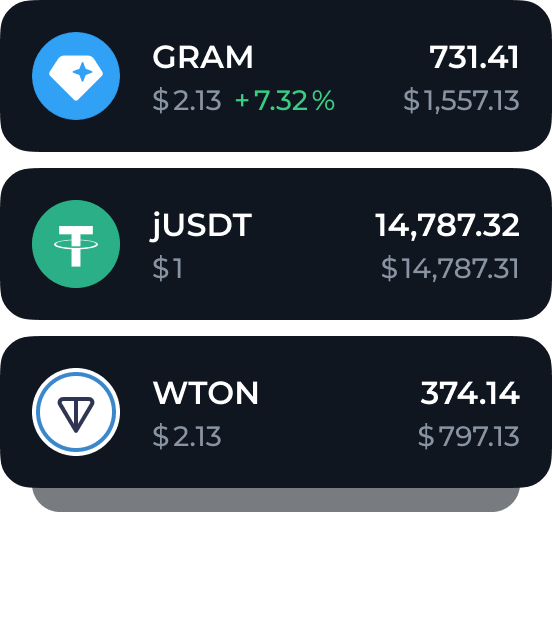
Staking is part of the broader wallet toolkit, but it belongs beside payments rather than replacing them. Users who hold GRAM may choose to stake a portion while keeping enough liquid balance for transfers, swaps, dApps, and network fees. That split keeps the wallet useful for day-to-day movement while letting idle native assets participate in TON staking.
Rewards, lockups, validator terms, and unstaking timing differ by staking arrangement, so the decision starts with the exact staking screen presented in the app. Tonkeeper gives access to the feature from the wallet context, which makes balances easier to monitor after a stake is created. It also means the recovery phrase remains the central access point for both liquid and staked positions.
Getting set up for the first payment
The first useful setup is small and deliberate. Install the wallet on iOS, Android, a browser extension, Telegram, or the Pro version suited to the device you use most. Create the wallet, write down the recovery phrase offline, add a small amount of GRAM for TON fees, and test a transfer before relying on the account for larger payments.
- Use GRAM for native TON fees and many quick transfers.
- Use USDT on TON when the recipient expects stablecoin settlement on TON.
- Use USDT TRC20 only when the recipient asks for the TRON version.
- Scan QR codes when available to avoid manual address entry.
- Keep enough liquid GRAM to approve swaps, dApps, and payments.
After that, the wallet becomes a repeatable payment tool. Tonkeeper keeps the main actions close together: receive, pay, swap, stake, browse apps, and view collectibles. The strength of the setup is not a single exotic feature; it is the way common TON actions stay inside one self-custody workflow.
Wallet choices for TON users
TON users also encounter wallets and services such as Tonhub, the Wallet experience in Telegram, and exchange accounts. Each option serves a different comfort level. A self-custody wallet gives direct key control and dApp access; a custodial service emphasizes account-style convenience; an exchange account suits trading and conversion before funds move on-chain.
Tonkeeper fits users who want a dedicated TON wallet rather than a general exchange balance. It handles payments, swaps, staking, NFTs, domains, and dApps from the same account, which keeps the TON experience coherent. The tradeoff is self-custody discipline: losing the recovery phrase means losing the practical path back into the wallet.
When this payment setup makes the most sense
This wallet works best when the user spends time inside the TON ecosystem: paying with GRAM, holding USDT on TON, receiving QR invoices, collecting TON NFTs, using TON Domains, or opening dApps from a mobile-first interface. It also suits Telegram-adjacent communities where TON payments and digital assets appear in the same social flow.
For someone who only wants to buy crypto on an exchange and leave it there, a dedicated TON wallet adds responsibility without much benefit. For someone sending low-fee payments, managing stablecoins across TON and TRON, and signing TON app transactions, Tonkeeper gives the payment layer a focused home.
Tonkeeper - common questions
Fees on Tonkeeper payments with GRAM and USDT: what should I expect?
GRAM transfers on TON use small network fees paid in the native asset. USDT on TON also needs TON network fees, while USDT TRC20 follows TRON fee rules. The wallet shows the transaction cost before approval, so the important habit is keeping a little GRAM available for TON actions and checking the network label before sending stablecoins.
Can I use the same wallet for USDT on TON and USDT TRC20?
Yes, Tonkeeper supports both USDT on TON and USDT TRC20, but they are separate token routes. A recipient asking for USDT on TON expects a TON transfer, while a recipient asking for USDT TRC20 expects a TRON transfer. Match the requested network exactly before confirming the payment.
Do I need GRAM if I mainly want to pay with USDT?
You need some GRAM for actions that settle on TON, including sending TON-based tokens and interacting with TON dApps. A user who mainly holds USDT on TON still keeps a small GRAM balance for transaction fees. USDT TRC20 follows TRON fee mechanics, so the required fee asset depends on the selected network.
What happens if I send USDT through the wrong network?
A wrong-network transfer sends the token to an address format or chain the recipient did not intend to use. Recovery depends on who controls the receiving address and whether that wallet or service supports the network used. Before sending, compare the recipient's requested network with the token shown in the confirmation screen.
Which Tonkeeper version is best for phone-based QR payments?
The iOS and Android apps are the natural choices for QR payments because the camera, payment review screen, and confirmation flow all sit on the same device. Browser extensions fit desktop dApp use better, while the Telegram version suits users who handle TON activity inside chats and community workflows.